The Architecture of Asset Shielding: Personal Umbrella Insurance Explained
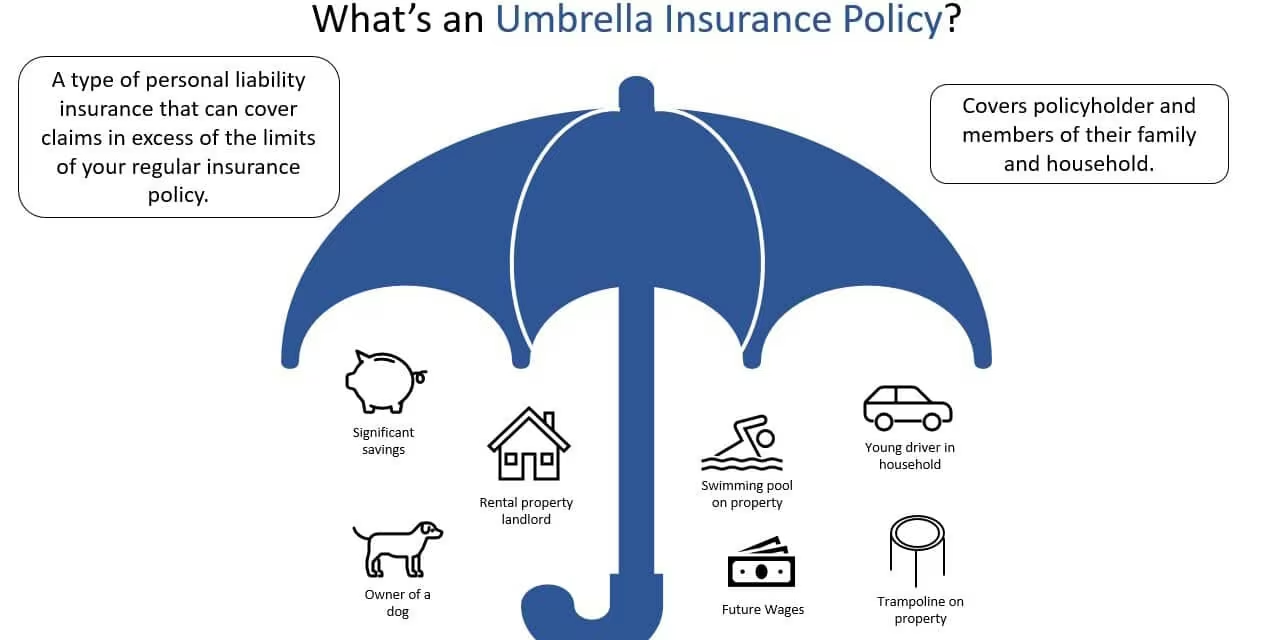
Modern personal finance strategies often place significant emphasis on wealth accumulation—optimizing tax-advantaged accounts, managing equity portfolios, and acquiring property. However, a critical vulnerability remains present in many financial plans: asset protection. Standard homeowner, renter, and personal auto insurance policies maintain fixed dollar limits on liability. In a hyper-litigious society, a single personal crisis, catastrophic multi-car accident, or severe negligence claim on your property can easily breach these base policy caps.
Personal umbrella insurance operates as a vital layer of financial defense. Far from being a luxury product reserved exclusively for ultra-high-net-worth families, umbrella coverage provides an accessible financial shield for property owners, high earners, and growing households. This guide examines the mechanics of umbrella insurance, its structural integration with underlying policies, market pricing models, and key risk indicators that signal when a policy is necessary.
Understanding the Mechanics: Base Coverage Limits vs. Umbrella Protection
Primary liability coverage embedded within auto or homeowners policies covers bodily injury and property damage for which you are held legally responsible. However, standard base policy caps are structured around historical, non-catastrophic damage estimates. Most home insurance policies default to personal liability limits between $100,000 and $300,000, while personal auto insurance liability coverage frequently maxes out at $250,000 per person and $500,000 per accident ($250k/$500k).
When a court awards damages exceeding these standard coverage limits, the policyholder assumes personal responsibility for paying the balance. A excess judgment allows courts to attach personal assets, place liens on real estate, and initiate long-term wage garnishments. Umbrella insurance resolves this exposure by sitting directly above your primary auto, home, boat, or property policies, providing excess liability protection starting at $1 million and scaling up to $5 million or more.
What Does Umbrella Insurance Cover? (And What It Excludes)
One primary value of personal umbrella insurance lies in its broad scope of protection. It not only extends the policy limits for claims covered by base insurance, but it also covers specific personal risk exposures excluded by standard homeowner policies.
Key areas of protection typically include:
- Catastrophic Bodily Injury Claims: Severe injuries caused to third parties in vehicle collisions, swimming pool mishaps, or accidents occurring on your property.
- Major Property Damage Claims: Substantial destruction of external property caused by your vehicles, children, or pets.
- Personal Character Injury Claims: Legal defense and liability coverage against charges of libel, slander, defamation of character, or false arrest.
- Worldwide Liability Protection: Coverage that travels with you internationally, covering incidents that occur during overseas travel, rental car operation, or international property usage.
- Legal Defense Expenses: Coverage for attorney fees, court costs, and legal defense bills, paid independently of policy liability limits.
Conversely, umbrella insurance maintains explicit operational boundaries. Knowing what is excluded prevents unexpected liability gaps:
- Personal Injuries to Yourself: Umbrella insurance handles third-party liability exclusively; it does not reimburse your personal medical treatment or physical property repairs.
- Business and Professional Operations: Business operations, commercial transport, and professional malpractice require dedicated commercial general liability or professional liability coverage.
- Intentional or Criminal Acts: Deliberate property damage, intentional physical harm, or illegal acts are strictly excluded under standard insurance law.
- Contractual Liabilities: Legal disputes arising from private contract breaches are excluded from excess personal liability coverage.
Video: Analyzing Excess Liability and Legal Exposures
For a detailed breakdown of how excess liability functions within personal portfolio risk management, review this analytical overview:
Key Exposure Triggers: Assessing Your Risk Profile
Many consumers incorrectly assume that excess liability coverage is only relevant for high-earning households. However, legal liability is calculated based on damages sustained by the injured party, not the net worth of the individual at fault. A serious vehicle collision resulting in permanent disability can yield medical claims, lost income judgments, and pain-and-suffering awards that breach standard liability limits within seconds.

Consider whether your daily exposure risk includes any of the following key liability triggers:
| Risk Exposure Field | Underlying Risk Scenario | Potential Legal Exposure |
|---|---|---|
| Teen Drivers in Household | Inexperienced operators statistically generate higher motor vehicle accident frequencies. | Multi-vehicle pileups, severe third-party bodily injuries. |
| Residential Attractive Nuisances | Maintaining high-risk home features such as swimming pools, trampolines, or steep retaining walls. | Guest injuries, accidental drownings, premises liability suits. |
| Pet Ownership | Owning large or defensive dog breeds with potential territorial aggression. | Dog bite injuries, facial trauma claims, permanent scarring damages. |
| Rental Property Ownership | Operating residential units or leasing space to tenants. | Tenant injuries, slip-and-fall claims, unsafe maintenance lawsuits. |
| Active Public Footprint | Frequent social media publishing, public speaking, or community involvement. | Online libel, personal character defamation, slander claims. |
Cost-Benefit Breakdown: Calculating Policy Value
Umbrella coverage remains one of the most cost-effective policies in the insurance market. Because the underlying primary policy absorbs the initial financial loss (up to $300,000 or $500,000), the risk for the umbrella underwriter only attaches during catastrophic events. As a result, premiums for excess liability coverage are exceptionally low relative to the amount of protection offered.
On average, a standard **$1,000,000 personal umbrella insurance policy** costs between **$150 and $300 annually**. Expanding coverage from $1 million to $2 million typically increases the base premium by approximately $75 to $100 per year, making higher limits increasingly efficient on a per-dollar basis.
To qualify for an umbrella policy, insurance carriers require you to maintain minimum underlying baseline limits on your primary policies. Typical underlying insurance requirements include:
- Auto Insurance Baseline: $250,000 bodily injury per person / $500,000 per accident / $100,000 property damage (or $500,000 combined single limit).
- Homeowners Insurance Baseline: $300,000 to $500,000 personal liability coverage.
If your current underlying limits fall below these underwriting thresholds, you can raise your primary limits for a modest adjustment in premium before attaching the umbrella policy layer.
Step-by-Step Strategy to Implement Excess Coverage
Securing an optimal umbrella policy requires a systematic review of your baseline coverage. Follow this step-by-step implementation process:
- Calculate Your Financial Exposure: Sum your tangible assets (real estate equity, taxable investment accounts, non-protected savings) and factor in your future income projection over a 10-year horizon.
- Audit Primary Base Policies: Review your home, auto, renter, and recreational vehicle policies to confirm current liability limits and ensure there are no coverage gaps between underlying policies and excess layers.
- Evaluate Carrier Bundling Options: Most insurers require the umbrella policy to be issued by the same carrier that holds your primary auto and home coverage. Bundling these policies often unlocks multi-policy discounts across all three accounts.
- Identify Specialized Risk Riders: If you serve on non-profit boards, operate rental properties, or own watercraft, verify that your umbrella endorsement explicitly extends to those specific activities.
Final Verdict and Strategic Recommendations
A sound financial plan requires equal emphasis on asset growth and asset protection. Relying exclusively on baseline auto and home liability limits leaves your savings, home equity, and future earnings vulnerable to major legal claims. A personal umbrella policy provides a substantial layer of asset protection, ensuring that an unforeseen accident does not disrupt your long-term financial security.