Renters Insurance Realities: Protecting Your Belongings Against Landlord Gaps
Published by Andrew Benny
Last updated: October 16, 2026
A persistent, costly myth continues to circulate among tenants occupying apartments, single-family home rentals, and shared condominiums: the belief that a landlord s master insurance policy provides a safety net for everyone under the roof. Many renters assume that if a pipe bursts, a circuit sparks a fire, or a storm damages the roof, the property manager s insurance company will issue a check to replace their laptop, couch, wardrobe, and custom home office setup.
In legal and financial reality, a landlord s policy covers strictly the physical frame, structural integrity, and building-owned appliances. It stops precisely at the threshold of your front door. Everything you brought into that apartment from your clothing and everyday electronics to high-value items like engagement rings or custom bicycles is entirely your financial responsibility. Understanding how to bridge this gap with a comprehensive renters insurance policy is not just good financial hygiene; it is an essential line of defense against unexpected, catastrophic loss.
The Core Architecture: What Does Renters Insurance Actually Cover?
Renters insurance is engineered around three distinct core protections: Personal Property Coverage, Personal Liability Protection, and Loss of Use (also known as Additional Living Expenses). To truly appreciate why this coverage is indispensable, it helps to examine how each pillar functions in real-world scenarios.

1. Personal Property Protection
Personal property coverage steps in when your belongings are damaged, destroyed, or stolen due to a covered cause of loss, known in insurance terms as a "named peril." Standard renters insurance policies generally protect against 16 distinct perils, including fire, smoke, explosion, vandalism, theft, windstorm, falling objects, and water damage caused by sudden plumbing ruptures or appliance overflows. Crucially, personal property coverage usually applies anywhere in the world meaning if your laptop is stolen out of your car while traveling or your luggage is taken at an airport, your policy offers financial recourse.
2. Personal Liability Coverage
While protecting your physical goods is vital, the liability component of a renters policy often saves policyholders from life-altering debt. If a guest trips over a rug in your living room and fractures a wrist, or if you accidentally leave a kitchen faucet running and cause water damage to the tenant s ceiling below you, you can be held legally responsible. Personal liability coverage pays for legal defense fees, court judgments, and medical payouts up to your selected policy limit, standardly ranging between $100,000 and $300,000.
3. Additional Living Expenses (Loss of Use)
If a severe fire or structural water failure renders your rental unit uninhabitable, your lease is paused, but your need for shelter is immediate. Loss of Use coverage finances temporary accommodations, such as hotel stays, short-term rental agreements, restaurant bills above your normal grocery budget, and laundry services while your home is being restored or while you secure a new residence.
Deconstructing Policy Types: ACV vs. Replacement Cost
When customizing a renters insurance policy, policyholders face a crucial structural choice: opting for Actual Cash Value (ACV) or Replacement Cost Value (RCV). Selecting the wrong option during setup is one of the primary reasons tenants feel dissatisfied when filing a claim.
An Actual Cash Value policy factors in physical depreciation. For example, if you purchased a high-end television five years ago for $1,200 and it is destroyed in a covered electrical fire today, an ACV payout calculates the item's current market value based on age, wear, and tear. The resulting check might only total $300 far short of what is required to purchase an equivalent modern replacement. Conversely, a Replacement Cost Value rider ignores depreciation. Under RCV, the insurer compensates you based on the current retail cost to replace the destroyed item with a brand-new equivalent model of similar quality, minus your chosen deductible.
Comparative Settlement Breakdown: ACV vs. RCV
| Item Description | Original Price | Item Age | ACV Settlement | RCV Settlement |
|---|---|---|---|---|
| 4K Smart TV | $1,200 | 4 Years | $350 | $1,100 (New Retail) |
| Leather Sofa | $2,500 | 6 Years | $600 | $2,400 (New Retail) |
| Workstation Laptop | $1,800 | 3 Years | $500 | $1,750 (New Retail) |
| Total Payout (Pre-Deductible) | $5,500 | - | $1,450 | $5,250 |
Although an RCV policy generally carries a premium that is 10% to 15% higher than an ACV policy, the difference in payout during a complete loss event can amount to thousands of dollars. For the vast majority of policyholders, opting for RCV coverage is a straightforward economic decision.
Understanding Coverage Limits and Endorsements
Standard renters insurance policies contain specific internal limits on high-risk or high-value subcategories of property. While your overall policy might carry $50,000 in general personal property coverage, individual categories like jewelry, firearms, fine art, collectibles, or business property used in a home office often have default sub-limits capping recovery at $1,500 to $2,500 per category.
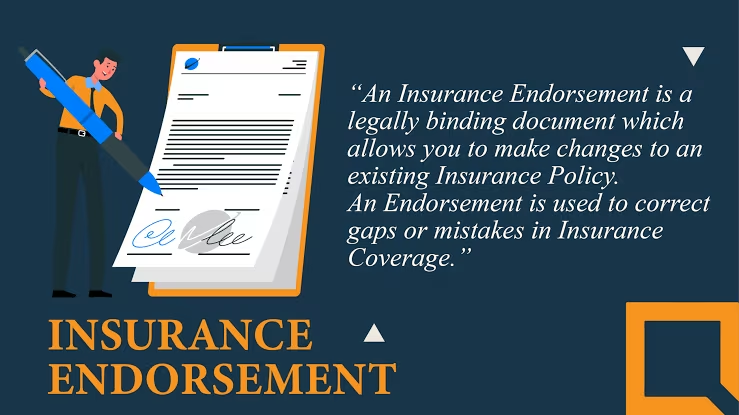
If you own an engagement ring valued at $8,000, relying strictly on a basic renters policy could leave you exposed to a significant loss gap. To protect specialty goods fully, policyholders can add itemized endorsements, frequently called "scheduled personal property riders." Adding a rider ensures the item is insured for its full appraised value, typically eliminates the standard deductible for claims involving that item, and expands coverage to include accidental loss or misplaced items.
Video Breakdown: Navigating Coverage Gaps
To better understand how insurance adjustments work when moving into a rental property, view the informational breakdown below detailing common claims and coverage structures:
Common Uncovered Perils: What Renters Insurance Excludes
While renters insurance offers wide-ranging financial protection, it is equally vital to understand its standard exclusions. Standard policy formulations do not cover every potential disaster, and knowing where coverage ends allows tenants to secure supplemental policies when required.
- Flooding and Surface Water Damage: Standard policies strictly exclude damage caused by natural rising water, storm surges, or overflowing bodies of water. Tenants living in flood-prone zones or ground-floor units must purchase a separate flood insurance policy through the National Flood Insurance Program (NFIP) or private insurers.
- Earthquakes and Earth Movement: Damage resulting from seismic activity, mudslides, or sinkholes is universally excluded under primary policies, requiring a dedicated earthquake endorsement or standalone coverage.
- Pest Damage and Maintenance Neglect: Renters insurance is structured to cover sudden and accidental events. Damage caused by bed bugs, termites, mice, or gradual mold growth resulting from unreported leaks is deemed a maintenance issue rather than an insurable event.
- Roommate Belongings: Unless explicitly listed on the policy declaration page, a policy taken out by one tenant generally does not cover the personal property or liabilities of un-related roommates.
Step-by-Step Guide: How to Properly Value Your Belongings
Accurately establishing your coverage limit requires conducting a systematically recorded home inventory rather than guessing a round figure. Follow these actionable steps to ensure you are neither underinsured nor paying for unnecessary coverage capacity:
- Room-by-Room Video Cataloging: Walk through your rental unit with your smartphone camera, opening closets, drawers, and storage cabinets while narrating brand names, purchase dates, and condition.
- Digitize High-Value Receipts: Scan or store digital receipts for major purchases like laptops, televisions, high-end furniture, and luxury goods in secure cloud storage.
- Document Serial Numbers: Note the unique serial numbers for all valuable electronics, appliances, and tools. Claims adjusters process verified serial numbers significantly faster during loss claims.
- Calculate Total Cost: Tally the estimated replacement value of all goods across your clothing, electronics, kitchenware, furniture, and decorative items. Most single occupants quickly discover their personal belongings total between $20,000 and $40,000 in aggregate replacement value.
By conducting a methodical inventory and keeping coverage aligned with your actual assets, you can ensure that in the event of theft, fire, or severe water damage, your recovery process is seamless, complete, and financially sound.